-
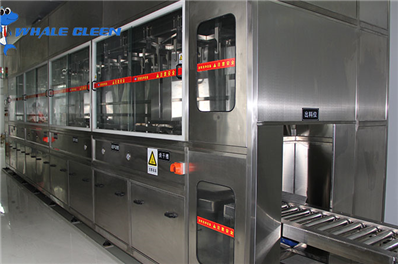 Enhancing Metal Manufacturing Equipment Efficiency with Ultrasonic Cleaning Machines
Ultrasonic cleaning machines are widely employed in the industrial sector for cleaning metal manufacturing equipment. These machines utilize the power of ultrasonic waves to efficiently remove contaminants such as oil, grease, particles, and dirt from the
-
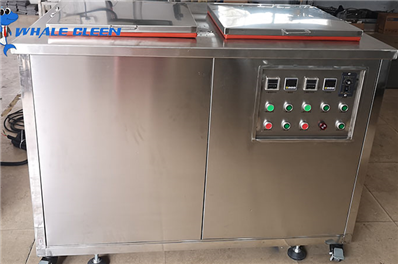 The Simplicity and Efficiency of Ultrasonic Cleaning Equipment
Ultrasonic cleaning equipment has revolutionized the cleaning industry with its ability to provide thorough and efficient cleaning solutions across various applications. From delicate electronics to robust industrial components, ultrasonic cleaners offer
-
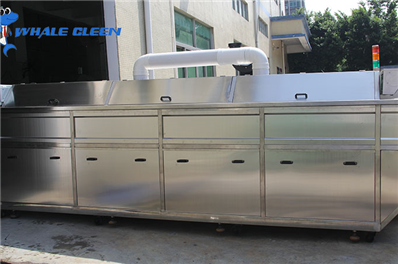 Optimizing Hydraulic Systems: Ultrasonic Cleaning for Contaminant Removal and Efficiency Boost
Hydraulic systems play a pivotal role in various industrial applications, facilitating precise control and efficient energy transfer. These systems comprise crucial components such as hydraulic reservoirs, pumps, valves, cylinders, and pipelines. Over tim
-
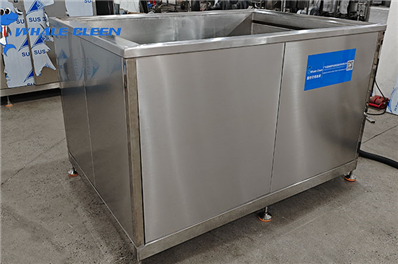 How Ultrasonic Cleaning Machines Optimize the Cleaning Process in Food Processing Equipment
In the food processing industry, maintaining stringent hygiene standards is paramount. Food contamination can lead to severe health risks, recalls, and reputational damage. Traditionally, cleaning processes in food processing facilities involve manual scr
-
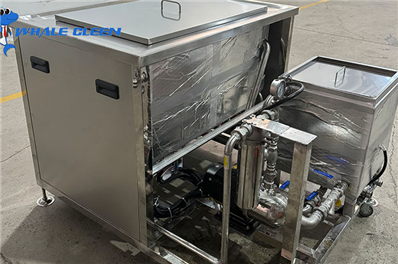 Enhancing the Longevity of Electrical Equipment with Ultrasonic Cleaning Technology
In the power industry, maintaining the operational efficiency and longevity of electrical equipment is critical. Equipment such as transformers, insulators, circuit breakers, and other power distribution devices must function reliably over extended period
-
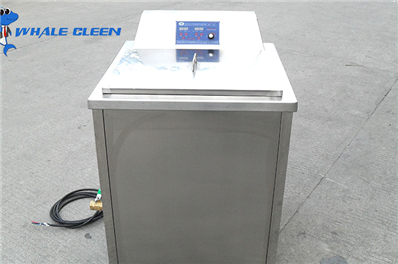 Enhancing Aerospace Equipment Performance with Ultrasonic Cleaning Technology
Aerospace equipment plays a pivotal role in space exploration, demanding unparalleled reliability and performance. Over time, environmental factors and various operational procedures before and after launch can lead to the accumulation of contaminants and
-
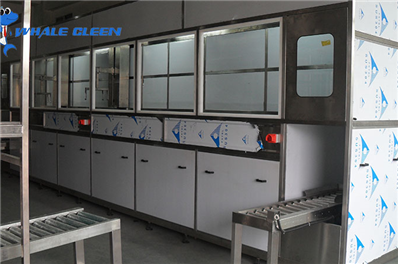 Enhancing Electronic Device Performance: Ultrasonic Cleaning for Efficient Heat Sink Maintenance
Electronic heat sinks play a crucial role in modern electronic devices by dissipating heat efficiently to prevent overheating and ensure optimal performance. However, over time, the metal surfaces of electronic heat sinks can accumulate dust, dirt, and ot
-
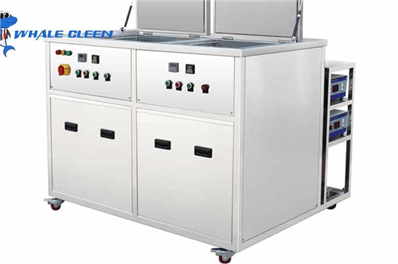 Stuck with Grinding Dust Embedded in Batch Workpiece Crevices? Manual Cleaning Is Draining Your Labor Budget and Driving Production Costs Through the Roof
Walk into any metalworking shop, stamping plant, or machining facility, and you will see the same scene repeated shift after shift: workers hunched over parts bins, scrubbing with brushes, picking at crevices with picks, blowing compressed air into blind
-
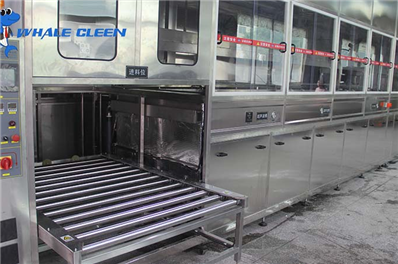 Can One Ultrasonic Cleaning Machine Really Solve Water Stain and Oxidation Problems on Die-Cast Parts?
Walk into any die-casting facility, and you will hear the same frustration from quality control inspectors and production managers alike. Aluminum die-cast parts emerge from the cleaning line looking perfectly clean—only to reveal white spots, cloudy patc
-
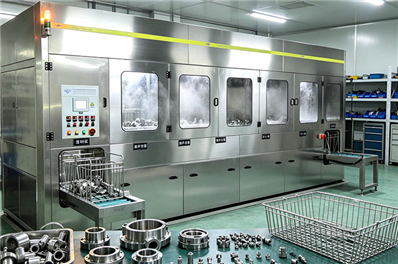 Industrial Ultrasonic Cleaning Machine: The Complete Solution for Manufacturing Precision Parts
In modern manufacturing, surface cleanliness is not merely an aesthetic consideration—it is a critical factor that directly impacts product performance, coating adhesion, and overall production yield. From automotive engine components and transmission par
-
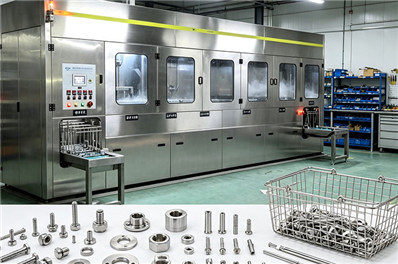 Breaking the Cleaning Bottleneck in Nickel and Gold Plating Lines with Whale cleen Ultrasonic Technology
In high-value surface finishing shops, nickel and gold plating lines demand the highest levels of surface cleanliness. A single fingerprint, a microscopic film of stamping oil, or a speck of polishing compound left on a component will manifest as blisteri
-
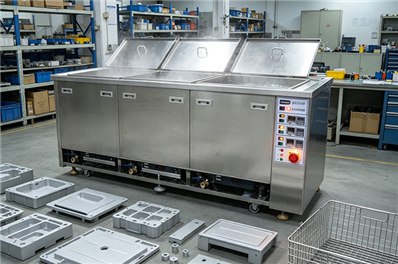 Ultrasonic Electrolytic Cleaning for Molds: Eliminate Gas Coke and Toner Residue That Causes Yellowing and Flow Marks
The Persistent Mold Contamination Problem In injection molding, the mold is the heart of production. But over time, even the best-maintained molds accumulate stubborn contaminants that no amount of wiping or solvent dipping can fully remove. Two of the